
PRESS
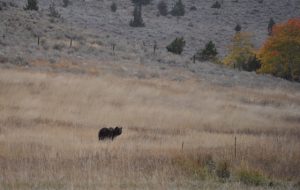
The 18-member Grizzly Bear Conservation and Management Advisory Council of Montana citizens has a big job between now and its August 2020 deadline. With four the eight scheduled council meetings have now taken place, this a good time to share my impressions of the work so far, and the important tasks that lie before us.
Read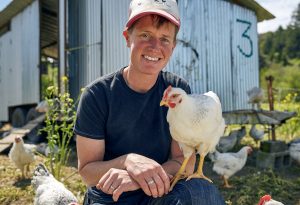
This month we share the story of Root Down Farm in Pescadero, California. In 2014, Dede Boies started Root Down Farm in one of the most expensive counties in the United States. While finding affordable land and housing and starting a new business was a substantial challenge, her unwavering commitment to growing the best food she could for her customers in a way that also improves the health of the land helped Root Down Farm not just survive but grow.
Read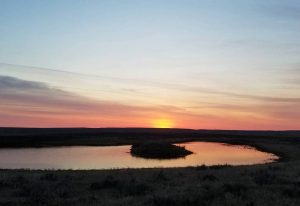
Opening the pickup door and stepping out onto native grass, the sun begins to rise amidst the sound of the dawn chorus. I listen to the melodic tinkling of a Baird’s sparrow (my favorite song, and also set as my morning phone alarm); the downward whirl of the Sprague’s pipit (my ring tone); the buzz of the Brewer’s sparrows, the joyful couplets of the McCown’s longspur. The chestnut-collared longspurs are chasing each other in play, or fight.
Read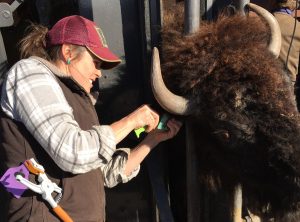
One cold, dark, November night, I was lost somewhere outside the small town of Walden, CO, searching for a bison ranch. I had taken time off from my marketing job at Whole Foods Market to help during the outfit’s annual bison roundup. With no cell service, I was becoming increasingly concerned about finding the ranch. Self-doubt kicked in. When I finally had service I called my husband. “Is this normal?! For a 30-some year old woman to be spending her free time showing up at some ranch not knowing where she is going to sleep, what she is going to eat, to learn about a completely new profession?!” My husband replied, “No, but do it anyway.”
Read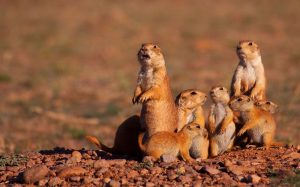
This month we are sharing our profile of the Grupo La Báscula in Chihuahua, Mexico. This profile highlights the inspiring work of a community-based grazing cooperative that with planned adaptive grazing has improved vegetation and soil health, supported wildlife populations, and increased economic success and opportunity in the arid grasslands of northern Mexico.
Read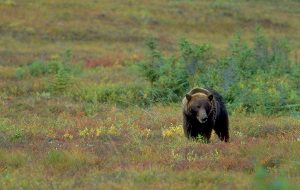
The Waterton Biosphere Reserve’s (WBR’s) Carnivores and Communities program operates in four municipalities, two of which are within the boundaries of the Waterton Biosphere Reserve in Canada. The program focuses on proactive management to decrease conflict between people and carnivores, especially bears and wolves, within the agricultural community of Southwestern Alberta. It is well funded and effective, and it is a major WBR program.
ReadJoin WLA to stay up to date on the most important news and policy for land stewards.
Become a member for free today and we will send you the news and policy developments critical to the economic and ecological health of working lands.
WLA works on behalf of landowners and practitioners throughout the West. We will never share your contact information with anyone.
©2026 Western Landowners Alliance • PO BOX 27798, Denver, CO 80227 • 505.466.1495
Western Landowners Alliance is a 501 (c)(3) non-profit recognized by the IRS.
Tax ID: 46-1346488