
By Lesli Allison, Shaleas Harrison, Avery Shawler, Louis Wertz
Suggested citation
Allison, L., Harrison, S., Shawler, A. L., & Wertz, L. S. (2026). The Scale of Landowner Investments in Conservation across the American West. Western Landowners Alliance & Southwick Associates.
January 20, 2026
Navigation

Full Text
Preface
From Yellowstone’s geysers and grizzly bears to the red rock canyons of the Southwest, the public lands of the American West occupy a powerful place in our national identity. They are icons of shared heritage and the birthplace of the modern conservation movement.
But these celebrated landscapes tell only part of the story.
Across the 11 Western states, national parks occupy less than 3% of the land. Even when national forests, Bureau of Land Management lands, and other public holdings are included, public lands make up less than half of the region’s land base. Tribal lands account for roughly 6%. Nearly half of the West—millions of acres that connect, buffer, and sustain public lands—is privately owned.
These private lands are the backbone of the Western landscape. Held open through generations of investment, labor, and care by private landowners, they provide essential ecological services, support agricultural production, and offer recreational opportunity. They sustain rural livelihoods and local economies. They maintain connectivity between public lands, supplying critical habitat and migratory corridors for the West’s iconic elk, deer, pronghorn, and other big game species. For a majority of threatened and endangered species, private lands provide irreplaceable, lifesaving refuge.
Yet the significance of these lands—and the contributions of the landowners who steward them—largely remains out of public view. So, too, do the ways landowners support the civic and economic life of rural communities. Landowners pay taxes on land, livestock, buildings, and equipment that fund local roads and public services. They create and sustain jobs and local businesses. Grazing fees on intermingled state trust lands help support public schools. They serve on school boards and library boards, county commissions, volunteer fire departments, and emergency medical teams, anchoring the social fabric of rural places.
This report begins with a simple but often overlooked reality: Private landowners are not peripheral to conservation in the American West, they are central to it. Their day-to-day management decisions, substantial out-of-pocket investments, and long-term stewardship shape the health of landscapes that sustain wildlife, water, food production, and rural communities alike. By making these investments visible and by understanding their scale, purpose, and public benefit, we can better recognize the true foundation of conservation across the Western landscape. In turn, this understanding can strengthen relationships, improve collaboration, inform more effective public policy, and lead to better outcomes for both people and wildlife.
– Lesli Allison, Chief Executive Officer
Western Landowners Alliance
Executive Summary
In 2024 alone, Western landowners owning parcels of 500 acres or more collectively invested $407.5 million of their own money in conservation efforts.
This report, commissioned by Western Landowners Alliance (WLA) and conducted by Southwick Associates, quantified private landowner investment in natural resource conservation and examined the motivations behind it. Survey responses from 649 landowners owning 500 acres or more were collected and strategically weighted to provide a region-wide (specifically, Arizona, California, Colorado, Idaho, Montana, Nevada, New Mexico, Oregon, Utah, Washington, and Wyoming) estimate of private stewardship spending. Results showed that in 2024 alone, Western landowners owning parcels of 500 acres or more collectively invested more than $400 million of their own money in conservation efforts.
These private contributions are comparable to major public wildlife funding mechanisms, such as the Pittman-Robertson and Dingell-Johnson federal excise taxes. Beyond direct spending in support of wildlife, range, water, and forest resources, landowners also reported forgoing income opportunities, such as development or agricultural expansion, to protect wildlife and maintain habitat connectivity. Most landowners rank conservation as a top priority. Despite strong conservation values, participation in public programs remains low due to cost, complexity, and mistrust.
These findings demonstrate that Western landowners play a leading role in conservation and that opportunities exist to better support landowner interests, contributions, and partnership.
Key Findings
Western landowners invest more than $400 million a year in conservation
- Western landowners invested at least $407.5 million in 2024 in conservation practices, above and beyond normal operating expenses, analysis of a first-of-its-kind economic survey of landowners shows.
- Average spending on conservation by landowners with more than 500 acres in the West was $5.18 per acre in 2024.
- Top investment areas included range management, water resource management, and forest management.
Private landowners on par with other major sources of conservation funding
- The $407.5 million in Western landowner investment exceeds major federal excise tax allocations from Pittman-Robertson and Dingell-Johnson, which together totaled $342.7 million in the same states in FY2024.
- Landowner investments also exceeded USDA’s EQIP obligations across these states in FY2024 ($341 million).
- Private landowner conservation spending in the American West topped the $72.5 million apportioned in these states in 2024 by the Land and Water Conservation Fund Stateside Assistance Program that funds locally led conservation projects.
Landowners forgo income for conservation
- In 2024, 59% of surveyed landowners reported intentionally forgoing income-generating opportunities to benefit wildlife or other natural resources. Among these landowners, 50% forwent agricultural production, 37% forwent commercial or residential development, and 36% forwent outdoor recreation opportunities.
- Most forgone opportunities resulted in a loss of less than $50,000, though 20% exceed $1 million.
Providing wildlife habitat costs landowners millions more in uncompensated losses
- In 2024, wildlife caused $101 million in losses to crop, forage, water, and livestock, with an additional $37.6 million in repair costs.
- Only 16% of landowners received compensation, covering 20% of total losses.
Cost and constraints, not desire, limit conservation spending for most landowners
- Sixty-five percent of landowners cited cost as a limiting factor to increased or continued investment in conservation.
- Other barriers: loss of land control (50%), regulatory misalignment (43%), lost income opportunities (41%), and limited technical assistance (11%).
- These barriers are consistent with findings in other surveys across the United States.
Enrollment in publicly funded conservation programs remains low
- Only 8% of respondent acres are under perpetual easement, and roughly 10% are enrolled in federal, state, or local programs.
- Barriers include complex paperwork, confusing enrollment processes, and insufficient incentives.
- This suggests a large opportunity to leverage additional private conservation funding with intelligent program reform and improved technical assistance.
Why Study Private Spending on Conservation?
Private lands are critical for maintaining the landscape connectivity needed to promote biodiversity.
Across the American West, landowners are the frontline stewards of ecologically important yet threatened landscapes. It is no accident that some of the most biologically productive land is in private hands. On average, private rangelands are more than twice as productive as public rangelands (Robinson et al., 2019). Such places have been inhabited by humans for millennia because they have an abundance of the elements necessary for agriculture: water, rich soils, and high-quality vegetation (Talbert et al., 2007). These fertile valleys, rangelands, and forests supply food and fiber to people, as well essential wildlife habitat and other ecosystem services (Maher et al., 2021; Scott et al., 2001).
Private lands are critical for maintaining the landscape connectivity needed to promote biodiversity (Kremen & Merenlender, 2018; Suraci et al., 2023). While public attention and advocacy often focus on public land conservation, protected private lands are more frequently located in high-priority conservation areas and generally have greater species richness than protected public lands (Chapman et al., 2023). Additionally, over 90% of species listed under the U.S. Endangered Species Act occur on private lands, and private lands provide more than 60% of the habitat for two-thirds of listed species (USGAO, 1994). Advances in satellite imagery and GPS tracking technology have further highlighted the importance of private land for maintaining habitat connectivity for wide-ranging wildlife. For example, although much of the Greater Yellowstone Ecosystem falls within protected areas and only 30% of the region is privately owned, the majority of elk herds still rely heavily on private lands, especially in winter (Gigliotti et al., 2022; Hansen & Phillips, 2018).
Despite their important role in both conservation and agriculture, private lands are at the greatest risk of conversion and fragmentation. The U.S. Department of Agriculture (USDA) Natural Resources Conservation Service (NRCS) reported that between 1983 and 2017, roughly 14 million acres of rangeland were lost to development (USDA NRCS, 2020). From 1992 to 2012, 31 million acres of agricultural land nationwide were converted to non-agricultural uses (Freedgood et al., 2020). Overall, the United States is losing about 2,000 acres of farmland daily, or roughly 730,000 acres per year, to non-agricultural uses (Hunter et al., 2022). The conversion of agricultural land to other uses threatens not only rural communities and livelihoods but also the wildlife habitats provided by working lands (Gigliotti et al., 2023; Hunter et al., 2022).
Because private lands are being steadily lost to uses with fewer or no conservation benefits, understanding the scale of landowner investment in conservation is important to effectively leveraging public policy, including regulations and public conservation funding, for maximum conservation benefit. Without a clear picture of how much landowners are already spending to conserve private landscapes, it is difficult to impossible to know how best to further incentivize private land conservation.
Additionally, public narratives around conservation funding often center on hunters and anglers, philanthropic or nonprofit organizations, and government programs, overlooking the landowners who make daily decisions that directly and indirectly impact most of the land in the West. As a result, conservation policies and strategies rarely account for, or build upon, what landowners are already investing in conservation on private lands.
Landowners bear the majority of the costs on private lands for habitat protection, invasive species control, riparian restoration, and wildlife coexistence. But much of the resulting ecosystem services benefit the public at large (Maher et al., 2021; S. Maher et al., 2023). When these contributions and costs remain undocumented and unacknowledged, policies and funding mechanisms fail to support or reinforce them, creating a fundamental disincentive for stewardship at a time when new strategies to achieve conservation outcomes are needed. Understanding and recognizing landowner conservation investments is essential to developing these strategies. Private landowners’ interests and existing investments in conservation therefore represent a missed opportunity for leverage within conservation policy in America.
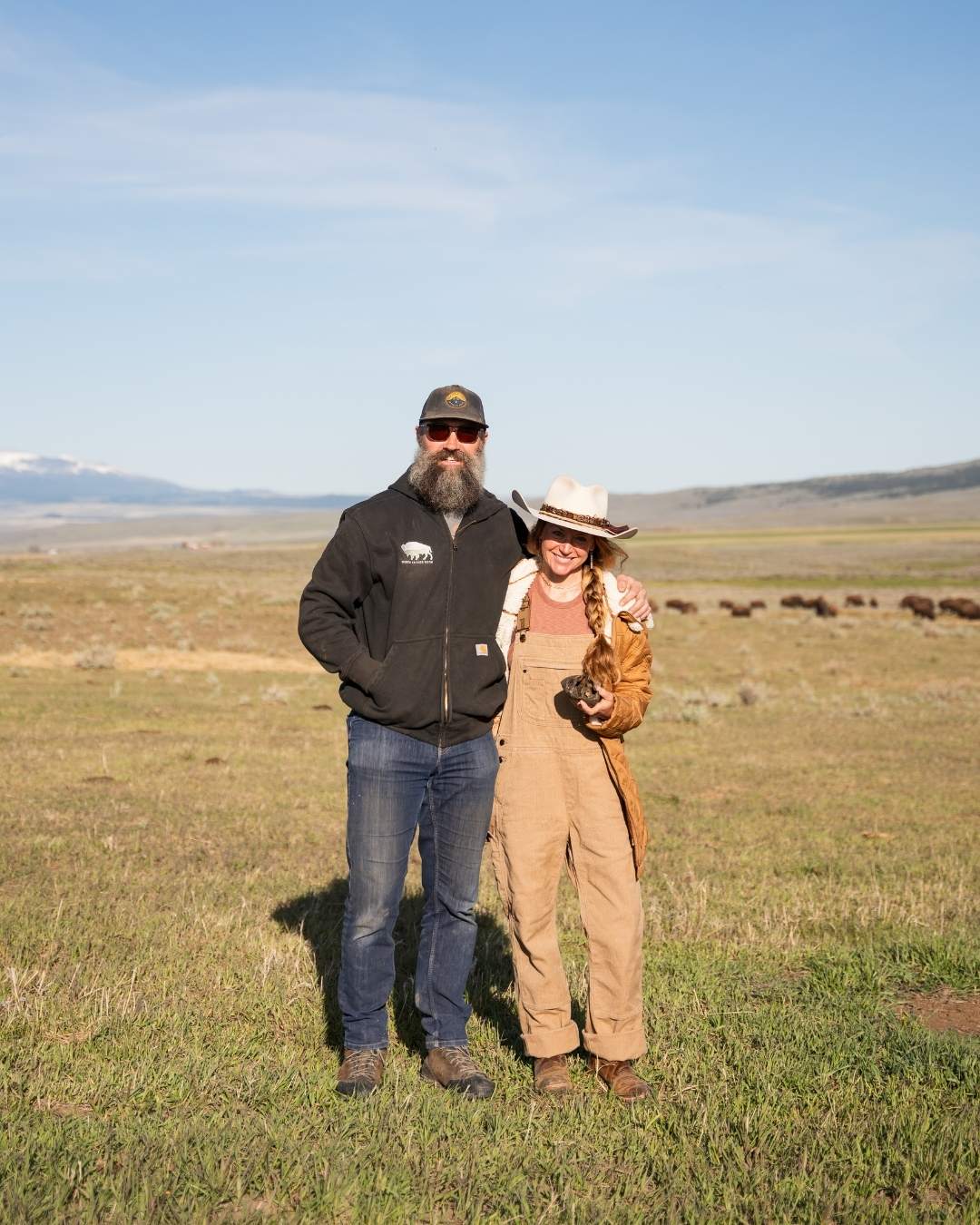
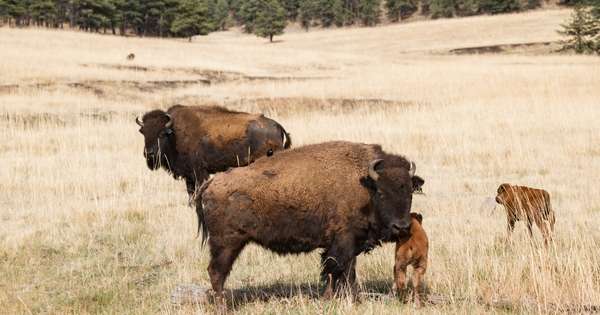
Ranchers Matt and Sarah Skoglund stand with their bison herd at North Bridger Bison in Montana’s Shields Valley, where their family-run ranch uses regenerative, holistic management to raise bison, restore grassland habitat, and produce healthy, humanely harvested meat.
In 2022, the Skoglunds permanently protected their land through a conservation easement with the Gallatin Valley Land Trust.
Survey Methodology
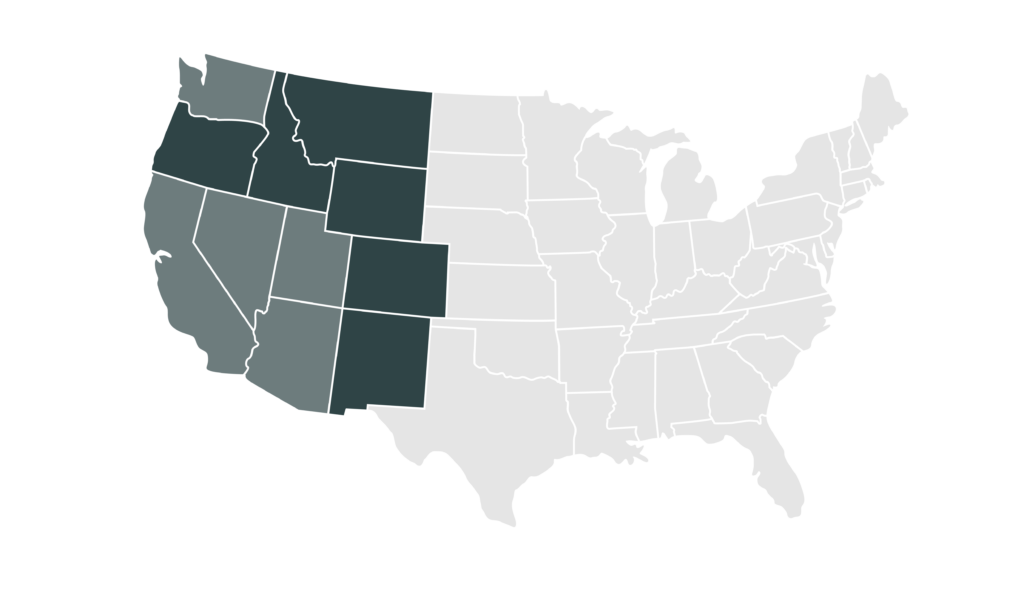
Sample and Projection Areas

WLA commissioned Southwick Associates, a statistics and economics firm, to collaboratively design a comprehensive, data-driven examination of the financial contributions private landowners make to conservation on private property in the Western United States. Data was collected via a mail and online survey to landowners managing parcels of 500 acres or more in Colorado, Idaho, Montana, New Mexico, Oregon, and Wyoming. The survey results from the six Western states were weighted and projected to reflect all privately held ranches of 500 acres or more across 11 states of the American West (Figure 1).
To ensure broad participation and capture representative data from large private landowners, the survey was distributed through multiple channels over a two-month period. Southwick Associates distributed the mail survey using a list of landowners with privately held parcels of 500 acres or more. The list was purchased from Regrid, a private company that compiles parcel data from county, state, and municipal records. Six separate mailings of the survey occurred throughout May and June 2025 to landowners in the six Western states. A link to the survey was also shared online by WLA to members via email and the On Land print magazine in May 2025. WLA also encouraged partner organizations to promote the survey link through their own distribution channels. The mail surveys sent by Southwick Associates and the combined efforts of WLA and its partners resulted in 649 completed responses.
The survey questionnaire included sections on land use, conservation practices, and wildlife impacts. To quantify landowners’ spending on natural resource conservation, participants were first asked to provide detailed information on 2024 expenditures, broken down by type of expense with illustrative examples. The final survey section examined the costs landowners incur from wildlife interactions occurring on their properties.
Responses were recorded at the operator level and then adjusted to the parcel level to account for operators managing multiple ranches, including those with land in more than one state. Each parcel observation was rake-weighted based on average parcel size and grouped into two categories: 500 to 999 acres and 1,000 acres or more, following USDA and National Agricultural Statistics Service (NASS) farm-size categories. Rake weights were converted into acre weights, which allowed the survey-reported acres to be projected to the total number of acres in privately held ranches of 500 acres or more across the American West, defined as Arizona, California, Colorado, Idaho, Montana, New Mexico, Nevada, Oregon, Utah, Washington, and Wyoming. Target acreage estimates were based on the most recent land use and cover data from the NRCS, focusing on land types likely to support ranching. Lands unlikely to reflect ranches, such as federal land, large water bodies, rural transportation land, and urban built-up land, were excluded.
Across the 11 states, approximately 375 million acres fall into the included land use categories. Because only a portion of this land consists of privately held ranches of 500 acres or more, a scaling factor derived from NASS farm-size data was applied. About 21% of all farmland acres are in farms of 500 acres or more, and applying this proportion to the 375 million acres identified as potential ranchland yields an estimated 80.16 million acres in ranches of 500 acres or more. This estimate assumes that all ranches are equally likely to occur within the included land cover types and that the distribution of ranch sizes mirrors farm-size distributions reported by the NASS. Survey responses, totaling 6.4 million acres, were then scaled to reflect total acreage in the two size categories (500 to 999 acres and 1,000 acres or more), providing a comprehensive picture of private investment on private lands across the region.
Results
Private landowners spend over $400 million on conservation in the West per year
In 2024, private landowners across the Western United States poured more than $400 million into conservation. Spending was distributed across a range of activities: roughly $124 million for range management, $93 million for water resource management, $69 million for forest management, $62 million for wildlife management, $33 million in in-kind contributions for publicly funded conservation projects, and $26 million for other conservation efforts, such as wildlife research and donations to conservation organizations (Table 1). These contributions represent out-of-pocket expenses incurred to conserve and steward natural resource values (the survey specifically asked landowners to include expenses additional to normal operating expenses.)
Despite a substantial body of research showing that landowners value conservation and actively implement conservation practices, far fewer studies have attempted to quantify the financial investments required to carry out these efforts. One limited survey of Oklahoma landowners who owned parcels fewer than 320 acres documented meaningful contributions, with respondents spending an average of $2,418 per year to manage their land for wildlife (York & Jager, 2021). The WLA/Southwick survey focused on landowners with holdings greater than 500 acres and asked them to estimate conservation spending across a wider range of categories beyond wildlife.
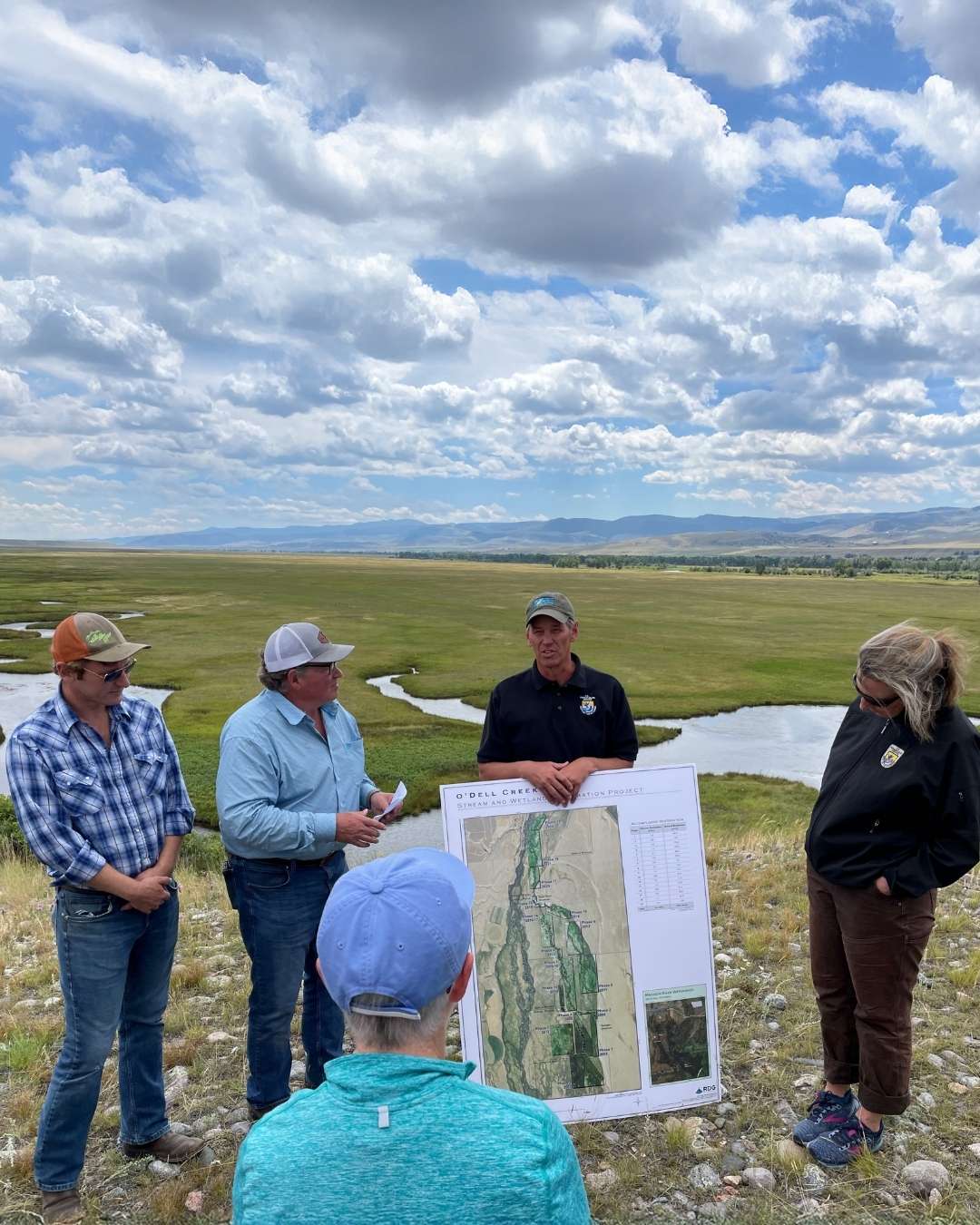
One of North America’s largest wetland restoration projects is on this ranch in Montana’s Madison Valley. Before the current owner (center left) took over, this area was desiccated hay fields irrigated by tapped and channelized spring creeks.
The owner invested more than $30,000 out of pocket each year over two decades, eventually attracting additional foundation and corporate support, to restore natural flows and native species.
Today’s wet meadows and streams provide spawning habitat for native fish that support the Madison’s world-renowned trout fishery, plus forage and refuge for elk, deer, pronghorn, cranes, geese, swans and cattle—recently allowed back onto the project site through closely monitored rotational grazing that enriches soil and protects wildlife habitat.
Table 1. Landowner Conservation investments per acre and total spending
| Conservation Category | Per Acre | Total |
|---|---|---|
| Wildlife Management | $0.79 | $62,229,000 |
| Range management | $1.58 | $124,196,000 |
| Water resource management | $1.18 | $93,112,000 |
| Forest management | $0.88 | $69,025,000 |
| In-kind contributions | $0.42 | $32,998,000 |
| Other contributions that benefit wildlife and land conservation | $0.33 | $25,960,000 |
| Overall | $5.18 | $407,520,000 |
Western landowners’ conservation spending is comparable to other major funding sources
Private landowners’ conservation investments are not just substantial; they are on par with the largest, most visible conservation funding programs in the West. The $407.5 million that landowners across 11 Western states spent on conservation in 2024 was larger than the amount spent on conservation from federal Pittman-Robertson and Dingell-Johnson excise taxes and the USDA’s Environmental Quality Incentives Program (EQIP), to name two oft-cited sources.
Specifically, the combined 2024 federal excise tax funds from Pittman-Robertson and Dingell-Johnson distributed to the 11 Western states included in this analysis totaled $342.7 million (Table 2). These funds are generated through purchases of firearms, ammunition, fishing equipment, and related gear. Likewise, one of the largest federal programs supporting conservation on private lands, the USDA’s EQIP, obligated $341 million in farm bill funds across the same states in 2024 (Table 3). Additionally, in those same 11 Western states, the Land and Water Conservation Fund Stateside Assistance Program that funds locally led conservation projects apportioned $72.5 million (Table 4). These comparisons illustrate that private landowners, collectively, function as a major conservation funder in the West, often contributing at levels equivalent to or greater than more recognized sources of conservation funding (Figure 2).
Private landowners are also part of the same financial networks that fund state and federal conservation programs: They are also taxpayers, hunters, and anglers. While the WLA/Southwick survey did not ask about these other possible contributions to conservation, York and Jager (2021) found that 59% of Oklahoma landowners held both a hunting and fishing license in the past five years.
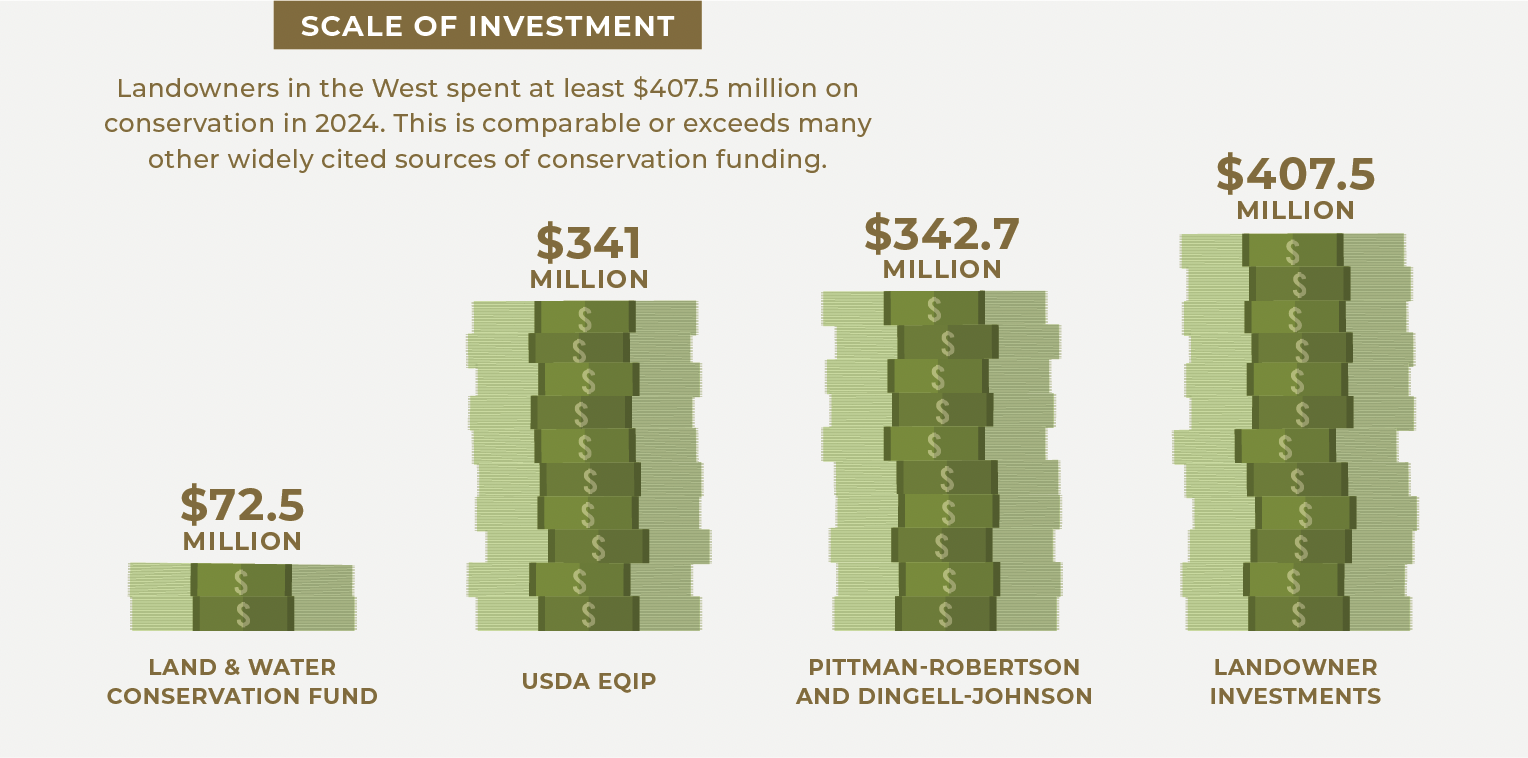
Figure 2. Conservation spending by major sources in 2024 in the 11 Western states
Scale of Investment
Landowners in the West spent at least $407.5 million on conservation in 2024. This is comparable or exceeds many other widely cited sources of conservation funding.
---
Graphic elements from Freepik.com
Table 2. FY2024 Pittman-Robertson (P-R) and Dingell-Johnson (D-J) Excise Tax Funds
| Arizona | $26,815,508 | $7,634,453 | $34,449,961 |
| California | $31,691,431 | $18,125,938 | $49,817,369 |
| Colorado | $27,156,268 | $10,735,964 | $37,892,232 |
| Idaho | $19,242,306 | $7,244,052 | $26,486,358 |
| Montana | $25,884,226 | $9,303,913 | $35,188,139 |
| Nevada | $18,269,558 | $5,798,258 | $24,067,816 |
| New Mexico | $20,856,612 | $6,919,689 | $27,776,301 |
| Oregon | $23,596,409 | $8,422,335 | $32,018,744 |
| Utah | $18,832,911 | $7,066,228 | $25,899,139 |
| Washington | $18,259,254 | $7,790,256 | $26,049,510 |
| Wyoming | $17,255,553 | $5,834,032 | $23,089,585 |
| Total | $247,860,036 | $94,875,118 | $342,735,154 |
Pittman-Robertson figures from U.S. Fish and Wildlife Service, 2024a.
Dingell-Johnson figures from U.S. Fish and Wildlife Service, 2024b.
Table 3. FY2024 Farm Bill EQIP Obligated Funds
| Arizona | $13,780,401 |
| California | $82,291,991 |
| Colorado | $28,406,540 |
| Idaho | $48,052,117 |
| Montana | $28,843,817 |
| Nevada | $6,558,024 |
| New Mexico | $29,746,887 |
| Oregon | $31,624,854 |
| Utah | $20,546,987 |
| Washington | $28,498,174 |
| Wyoming | $22,906,838 |
| Total | $341,256,630 |
Source: USDA, 2025
Table 4. FY2024 Land and Water Conservation Fund Apportionments
| Arizona | $6,721,366 |
| California | $27,358,194 |
| Colorado | $5,805,360 |
| Idaho | $3,319,060 |
| Montana | $2,847,263 |
| Nevada | $4,285,734 |
| New Mexico | $3,510,885 |
| Oregon | $4,793,191 |
| Utah | $4,340,175 |
| Washington | $6,896,599 |
| Wyoming | $2,619,209 |
| Total | $72,497,036 |
Source: US DOI, 2024
Conservation is a top priority
The majority of landowners surveyed—59%—ranked natural resource conservation as one of the top three reasons for owning or managing property, along with growing income and maintaining a rural lifestyle. On a scale of 1 (lowest importance) to 10 (highest importance), survey respondents on average ranked wildlife conservation and ecological health at 7.2.
Several similar studies affirm that private landowners value conservation. In the Inland Northwest, a survey found that 86% of landowners agreed that “practicing conservation is just the right thing to do” (Bennett et al., 2014). Similarly, more than 75% of over 4,500 Wyoming landowners surveyed are “proud to provide big game habitat” (Flint & Bennett, 2024). A survey of Texas landowners found that wildlife and recreational uses are important influences for owning land (Lopez et al., 2023). In a California landowner survey, “preservation” and “protecting the environment” were important reasons for a majority of landowners (Ferranto et al., 2011). Most ranchers from a study in southeastern Arizona and southwestern New Mexico have a commitment to the land ethic regardless of their level of trust, or distrust, of the government and its regulations (Lien et al., 2017).
Beyond research showing that landowners value conservation, studies also found that many landowners are actively taking actions on conservation. Flint and Bennett (2024) found that of Wyoming landowners surveyed, 60% deliberately leave extra forage and manage invasive species, and more than half installed wildlife-friendly fencing. Jones (2024) found that 90% of landowners who attended conservation workshops had implemented practices to improve wildlife habitat, forest quality, or aesthetics. Of California landowners surveyed, large property owners were significantly more likely than small property owners to improve wildlife habitat and implement other conservation practices (Ferranto et al., 2011). Not only does this research demonstrate that private landowners deeply care about conservation, but also they also act on it.
Spending doesn’t include opportunity costs
Many ranches have opted to forgo revenue-generating opportunities on their land to benefit wildlife and other natural resources. Survey results revealed that in 2024, roughly three out of five acres in the West had the potential to generate additional income, yet landowners prioritized conservation over income generation. Forgone opportunities included agricultural production (50%), commercial or residential development (37%), and outdoor recreation opportunities (36%). Forgone income opportunities tied to conservation were valued at $50,000 or less for a majority (51%) of operations, yet 20% of operations forwent income opportunities exceeding $1 million.
Evidence from other surveys further illustrate landowner commitment to conservation despite development pressures. Ferranto et al. (2011) found that 73% of surveyed California landowners of more than 500 acres had been approached to sell their property for development.
Similarly, 83% of surveyed Wyoming landowners stated it was “not at all likely” that they would subdivide their property, and 69% were “not at all likely” to sell their land within the next decade (Flint & Bennett, 2024). These findings highlight the strong conservation ethic among private landowners in the West, even when it comes at significant financial cost.
Landowners pay a heavy price for wildlife damage
For many Western landowners, sustaining wildlife comes at a high cost. Survey results revealed that in 2024, landowners experienced an estimated $101 million in losses from crop, forage, water, and livestock damage caused by wildlife and spent an additional $37.6 million repairing this damage (Table 5). Yet only 16% received compensation, and in those cases, only 20% of costs were recovered.
These trends are reflected across the region. Of over 4,500 surveyed Wyoming livestock producers, 87% experienced fencing damage, 53% reported crop losses, and 52% faced big game forage competition (Flint & Bennett, 2024). Similarly, 46% of surveyed Oklahoma landowners experienced wildlife conflicts and spent an average of $673 and 66 hours in 2020 addressing nuisance animal issues (York & Jager, 2021). These studies underscore the significant, and often uncompensated, costs landowners incur in sustaining wildlife.
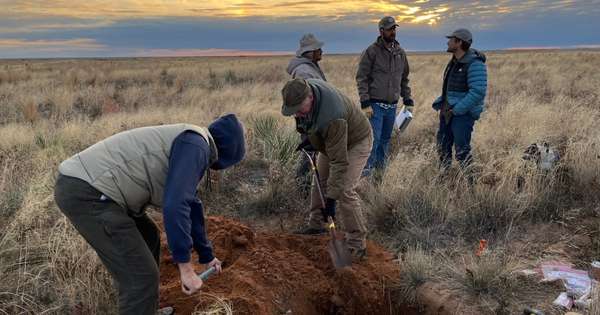
For this ranch in the Southern Great Plains, healthy soil is one of a number of key measures of success. Ranchers here steward a checkerboard of public and private rangeland.
They have invested thousands in adjusting grazing practices, re-seeding native species, and combating woody encroachment, and forgone thousands more in potential revenue, to improve soils and protect endangered lesser prairie-chickens (below), pronghorn, and other species.
Table 5. Total estimated market value of losses caused by wildlife and costs of repairs from wildlife damages in 2024
| Crop losses | $20,592,000 |
| Forage losses | $36,240,000 |
| Water losses | $10,763,000 |
| Livestock losses | $33,196,000 |
| Losses total | $100,791,000 |
| Repair costs due to wildlife damage | $37,610,000 |
| Losses + repair costs total | $138,401,000 |
In 2024, roughly three out of every five private acres in the American West had the potential to generate additional income, but landowners prioritized the environment.
Cost is the biggest barrier to more investment
Survey results found that 65% of landowners cite expenses as a limiting factor, while 50% worry about losing control over their land, and 43% point to misaligned regulatory incentives (Table 6). Other barriers include lost income opportunities (41%) and limited access to technical assistance (11%). These challenges are particularly pronounced for larger operations that exceed 3,000 acres.
Similar patterns emerge in other studies across the United States. Cost was also among the most commonly cited challenges facing surveyed Oklahoma landowners (York & Jager, 2021). In California, among landowners who considered selling their property, four of the five most frequently cited reasons were financial: “too much work to maintain,” “can’t afford to keep it,” “property taxes too expensive,” and “to finance retirement” (Ferranto et al., 2011). A review of 49 U.S.-specific studies identified implementation costs as a dominant barrier to adopting conservation practices, as well as concerns over control and regulatory oversight (Ranjan et al., 2019). Bennett et al. (2014) found that among surveyed landowners in the northwestern United States, 52% agreed that program participation increases regulatory pressure, 55% reported complex paperwork, and 41% cited a confusing sign-up process. Similarly, many Texas landowners surveyed felt their property rights were being restricted and, in some cases, experienced a loss of control (Lopez et al., 2023). These findings collectively illustrate that financial constraints and regulatory concerns are significant and consistent barriers to conservation investment on private lands.
Table 6. Reasons why landowners have not made additional and/or continued investments in conservation
| Crop losses | $20,592,000 |
| Forage losses | $36,240,000 |
| Water losses | $10,763,000 |
| Livestock losses | $33,196,000 |
| Losses total | $100,791,000 |
| Repair costs due to wildlife damage | $37,610,000 |
| Losses + repair costs total | $138,401,000 |
* Verbatim write-in answers given for “Other” responses are available upon request.
Barriers limit landowner participation in conservation programs
Survey results found that roughly 10% of acres are enrolled in federal, state, or local conservation programs. Among survey respondents, just 8% of acres are enrolled in perpetual conservation easements.
Low participation in conservation programs is widespread across the United States. Only 8.4% of Oklahoma survey respondents participated in private lands conservation programs, such as the EQIP and Conservation Stewardship Program (York & Jager, 2021). In California, only one-third of landowners surveyed had participated in a program, and owners of the largest properties (500 acres or more) were no more likely to participate than smaller property owners (Ferranto et al., 2011). Bennett et al. (2014) further highlights barriers to participation: 55% of respondents viewed conservation program paperwork as complex, 41% considered the sign-up process confusing, and 43% felt that participation was not worth the effort. However, the same study reports that respondents found programs that protect existing habitat to be the most appealing, with many agreeing that programs “should reward landowners for protecting existing high-quality habitat” (Bennett et al., 2014). One study found that even with financial support from federal conservation programs, implementing conservation practices may not always provide a positive economic return, and in some cases, landowners lose money when implementing these practices (A. Maher et al., 2023). Furthermore, landowners are often unaware of conservation assistance programs. A study conducted in partnership with the University of Wyoming and WLA surveyed 1,020 agricultural water users in the Colorado River Basin and found that the majority of respondents were unaware that federal and regional water conservation programs existed, with the exception of the USDA’s EQIP (Bennett et al., 2023).
Low adoption of conservation easements is consistent with other survey findings. For example, approximately 70% of Texas landowners in a 2023 survey indicated that they were not likely to implement a conservation easement (Lopez et al., 2023). An earlier survey of Colorado and Wyoming landowners found that despite their avowed dedication to conservation, landowners were unwilling to place a conservation easement on their property because of economic reasons (Cross et al., 2011). The cost and complexity of easement transactions, coupled with limited funding available for purchased easements, are often also cited as barriers.
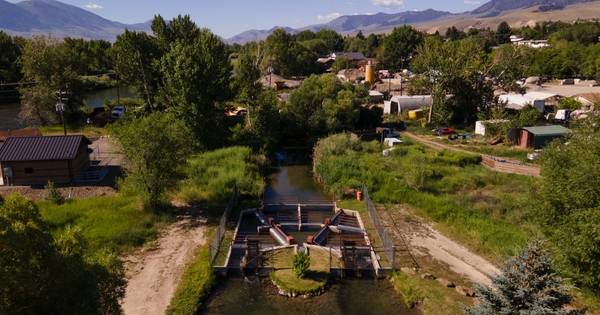
Landowners along this irrigation ditch near where the Lemhi River meets the Salmon River in Idaho partnered with state and federal programs to install fish screens that allow irrigation without trapping spawning fish.
Other landowners in the area have donated conservation easements on more than 5,500 acres, restored streamside habitat, and improved irrigation infrastructure to keep more water in the streams, all to benefit the salmon fishery. The chinook salmon swimming upstream in the Lemhi are nearing the end of an epic migration of more than 800 miles from the Pacific Ocean.
Photo by Zach Altman.
Recommendations
As evidenced by this survey, private landowners in the American West prioritize and invest significant personal resources in conservation. Their direct out-of-pocket investments are comparable to other leading sources of conservation funding. The public benefits of their contributions spread far beyond property boundaries to support wildlife, forest health, water resources, agricultural production, food security, public health, and local economies across the landscape.
Yet private lands are under immense economic, social, and environmental pressure. As a result, America’s croplands, grasslands, timberlands, and wildlife habitats—along with the many public and environmental values they provide—are declining. Changing these trends requires a diverse set of strategies and shared investments that build upon and amplify the substantial stewardship already occurring on private lands. These policy recommendations help define the new path forward for conservation:
Recognize the contributions of landowners to conservation. Although private landowners, farmers, and ranchers play a substantial role in conservation, their contributions are frequently underappreciated, leading to growing calls for increased recognition (Middleton et al., 2022; Shawler, 2024). Acknowledge the care and financial commitments of the people who live and work on the land. Appreciate what landowners do for habitat and the ecological services their lands provide.
Elevate the importance of working lands. Just as protected areas play a vital role in conservation of landscapes, so do working lands. Without the habitat supported by private lands, wildlife populations and biodiversity in the West would be dramatically reduced. At the same time, these lands provide the resources we all depend on, from food and fiber to energy and ecosystem services. They also support local, state and national economies and underpin national security. Elevate and share the invaluable role of working lands. Invest in them.
Ensure conservation policies strengthen, rather than undermine, economic viability on working lands. Conservation policies should strengthen and not weaken economic viability. For example, agricultural production, guest ranching, outfitting, and hunting and fishing leases are important economic drivers that keep land intact and can support beneficial stewardship. Policies that reduce landowners’ ability to generate income from these activities can accelerate the loss and fragmentation of land and habitat. Additionally, to ensure private lands can remain intact and continue to provide critical wildlife habitat, state and federal wildlife agencies must evaluate policy and management decisions through the lens of economic impact on private landowners and affected communities (Western Landowners Alliance, 2025). Policies and tools—such as habitat leasing—provide reliable economic support for stewardship that can enable landowners to integrate conservation into their business models.
Prioritize private property rights as foundational to economic viability and landowner investments in conservation. Private investment in conserving and stewarding land and natural resources is dependent on secure private property rights. Business models such as guest ranching are dependent on landowners being able to control access to their properties. Conservation projects such as native fish and sensitive species restoration are also dependent on landowners’ ability to limit and manage access.
Elevate stewardship as a core pillar of conservation. Conservation is often defined as preservation and restoration, with stewardship rarely recognized for the core pillar that it is. Conservation is more than simply setting land aside or restoring degraded resources; it is the day-to-day thoughtful management and sustained investment necessary to support healthy ecosystems, functioning watersheds, and wildlife habitats. In fact, caring for land on an ongoing basis greatly reduces the need for preservation and expensive restoration. Conservation programs and funding models are needed to support stewardship through time. This can be done through stewardship contracts, such as habitat leases, supported by multiyear funding commitments.
Improve and streamline programs. Many landowners are reluctant to utilize federal conservation programs due to time, bureaucratic red tape, and delayed payments. Participation and cost-effectiveness could be increased by improving the delivery and implementation of these programs, including application, reporting, and payment processes.
Remove regulatory disincentives. Regulatory frameworks should promote, not deter, conservation. For example, providing better access to Endangered Species Act regulatory assurances for voluntary wildlife and habitat restoration can reduce economic disincentives and improve outcomes for both people and wildlife. Similarly, environmental review and permitting processes should not be so expensive and time consuming as to make environmentally beneficial projects cost prohibitive. Greater flexibility in public lands grazing management, permitting, and National Environmental Policy Act processes is needed to enable managers and permittees to respond appropriately to changing conditions, such as drought, wildfire, new science, or resource needs.
Give landowners a voice. Go to the landowners first, not last, when shaping policy and conservation strategies. Create opportunities that genuinely acknowledge and elevate their contributions to conservation as well as their knowledge and experience. This includes public recognition, meaningful advisory roles in strategic planning and policy development, and involvement in conservation initiatives, particularly when those efforts include their land.
Strengthen and coinvest in collaborative partnerships. Empower, facilitate and invest in partnerships between federal and state agencies, tribal governments, farmers, ranchers and forest owners, and local constituencies seeking to conserve and restore landscapes and watersheds. Examples such as the Blackfoot Challenge, the Sage Grouse Initiative, the Malpai Borderlands Group, America’s Longleaf Restoration and the Wyoming/USDA Big Game Migration Partnership Initiative have worked through local and state partnerships to address cross boundary conservation on working and public lands.
Depoliticize conservation. Conservation efforts that work with, not against, the people on the land are less divisive, more broadly supported, and more durable. To depoliticize conservation, build relationships, trust, and alignment by investing in partnership-based approaches and shared priorities.
(Zahniser, 2024)
U.S. Farms Economic Impact
- $222.3 billion in direct farm output
- $1.537 trillion in total economic contribution when related sectors are included
(Southwick Associates, 2024)
Hunting's 2022 Impact
- $45.2 billion spent by U.S. hunters on gear, licenses, travel, and more
- 540,000+ jobs supported
- $33.5 billion in wages generated
- $56 billion added to U.S. GDP
- $107+ billion in total economic impact
References
Bennett, D. E., Lewis, M., Mahowald, H., Collins, M., Brammer, T., Byerly Flint, H., Thorsness, L., Eaton, W., Hansen, K., Burbach, M., & Koebele, E. (2023). Agricultural water users’ preferences for addressing water shortages in the Colorado River Basin. University of Wyoming, Ruckelshaus Institute of Environment and Natural Resources.
https://doi.org/10.15786/wyoscholar/9966
Bennett, D. E., Nielsen-Pincus, M., Ellison, A., Pomeroy, A., Burright, H., Gosnell, H., Moseley, C., & Gwin, L. (2014). Barriers and opportunities for increasing landowner participation in conservation programs in the Interior Northwest (Ecosystem Workforce Program Working Paper No. 49).
University of Oregon. https://scholarsbank.uoregon.edu/items/e6e51d6c-cb71-4e90-8070-2935aee13905
Chapman, M., Boettiger, C., & Brashares, J. S. (2023). Leveraging private lands to meet 2030 biodiversity targets in the United States. Conservation Science and Practice, 5(4), e12897. https://doi.org/10.1111/csp2.12897
Cross, J. E., Keske, C. M., Lacy, M. G., Hoag, D. L. K., & Bastian, C. T. (2011). Adoption of conservation easements among agricultural landowners in Colorado and Wyoming: The role of economic dependence and sense of place. Landscape and Urban Planning, 101(1), 75–83.
https://doi.org/10.1016/j.landurbplan.2011.01.005
Ferranto, S. P., Huntsinger, L., Getz, C., Nakamura, G., Stewart, W., Drill, S., Valachovic, Y., DeLasaux, M., & Kelly, M. (2011). Forest and rangeland owners value land for natural amenities and as financial investment. California Agriculture, 65(4). https://escholarship.org/uc/item/2c21d7s1
Flint, H. B., & Bennett, D. E. (2024). Living with elk, mule deer, and pronghorn: Landowner experiences with big game across Wyoming. University of Wyoming, Ruckelshaus Institute of Environment and Natural Resources. https://www.uwyo.edu/haub/_files/_docs/landowner-exp-big-game.pdf
Freedgood, J., Hunter, M., Dempsey, J., & Sorensen, A. (2020). Farms under threat: The state of the states. American Farmland Trust. https://www.farmlandinfo.org/wp-content/uploads/sites/2/2020/05/AFT_FUT_SAF_2020final.pdf
Gigliotti, L. C., Atwood, M. P., Cole, E. K., Courtemanch, A., Dewey, S., Gude, J. A., Hurley, M., Kauffman, M., Kroetz, K., Leonard, B., & MacNulty, D. R., (2023). Multi-level thresholds of residential and agricultural land use for elk avoidance across the Greater Yellowstone Ecosystem. Journal of Applied Ecology, 60(6), 1089–1099. https://doi.org/10.1111/1365-2664.14401
Gigliotti, L. C., Xu, W., Zuckerman, G. R., Atwood, M. P., Cole, E. K., Courtemanch, A., Dewey, S., Gude, J. A., Hnilicka, P., Hurley, M., Kauffman, M., Kroetz, K., Lawson, A., Leonard, B., MacNulty, D., Maichak, E., McWhirter, D., Mong, T. W., Proffitt, K., … Middleton, A. D. (2022). Wildlife migrations highlight importance of both private lands and protected areas in the Greater Yellowstone Ecosystem. Biological Conservation, 275, 109752. https://doi.org/10.1016/j.biocon.2022.109752
Hansen, A. J., & Phillips, L. (2018). Trends in vital signs for Greater Yellowstone: Application of a Wildland Health Index. Ecosphere, 9(8), e02380. https://doi.org/10.1002/ecs2.2380
Hunter, M., Sorensen, A., Nogeire‑McRae, T., Beck, S., Shutts, S., & Murphy, R. (2022). Farms under threat 2040: Choosing an abundant future. American Farmland Trust. https://farmlandinfo.org/wp-content/uploads/sites/2/2022/08/AFT_FUT_Abundant-Future-7_29_22-WEB.pdf
Jones, W. D. (2024). Natural resource enterprises – income diversification and land conservation on privately owned lands in the United States (U.S.). Human Dimensions of Wildlife, 29(3), 332–339. https://doi.org/10.1080/10871209.2023.2220345
Kremen, C., & Merenlender, A. M. (2018). Landscapes that work for biodiversity and people. Science, 362(6412), eaau6020. https://doi.org/10.1126/science.aau6020
Lien, A. M., Svancara, C., Vanasco, W., Ruyle, G. B., & López-Hoffman, L. (2017). The land ethic of ranchers: A core value despite divergent views of government. Rangeland Ecology and Management, 70(6), 787–793. https://doi.org/10.1016/j.rama.2017.06.004
Lopez, A., Barrientos, D., Lopez, R., Skow, K. L., Crawford, M., Dreibelbis, J., Hays, K. B., & Wegner, B. N. (2023). Texas landowner survey. Texas A&M Natural Resources Institute. https://nri.tamu.edu/media/3675/texas-landowner-survey-final.pdf
Maher, A. T., Ashwell, N. E. Q., Tanaka, J. A., Ritten, J. P., & Maczko, K. A. (2023). Financial barriers and opportunities for conservation adoption on US rangelands: A region-wide, ranch-level economic assessment of NRCS-sponsored Greater Sage-grouse habitat conservation programs. Journal of Environmental Management, 329, 116420. https://doi.org/10.1016/j.jenvman.2022.116420
Maher, A. T., Quintana Ashwell, N. E., Maczko, K. A., Taylor, D. T., Tanaka, J. A., & Reeves, M. C. (2021). An economic valuation of federal and private grazing land ecosystem services supported by beef cattle ranching in the United States. Translational Animal Science, 5(3), txab054. https://doi.org/10.1093/tas/txab054
Maher, S. M., Barker, K. J., Kroetz, K., Butsic, V., Leonard, B., & Middleton, A. D. (2023). Assessing the ecosystem services and disservices provided by migratory wildlife across the Greater Yellowstone Ecosystem. Biological Conservation, 283, 110090. https://doi.org/10.1016/j.biocon.2023.110090
Middleton, A., Stoellinger, T., Bennett, D. E., Brammer, T., Gigliotti, L., Flint, H. B., & Maher, S. (2022). The role of private lands in conserving Yellowstone’s wildlife in the 21st century. Wyoming Law Review, 22, 237. https://heinonline.org/HOL/P?h=hein.journals/wylr22&i=240
Ranjan, P., Church, S. P., Floress, K., & Prokopy, L. S. (2019). Synthesizing conservation motivations and barriers: What have we learned from qualitative studies of farmers’ behaviors in the United States? Society & Natural Resources, 32(9), 1010–1029. https://www.fs.usda.gov/nrs/pubs/jrnl/2019/nrs_2019_ranjan_001.pdf
Robinson, N. P., Allred, B. W., Naugle, D. E., & Jones, M. O. (2019). Patterns of rangeland productivity and land ownership: Implications for conservation and management. Ecological Applications, 29(3), e01862. https://doi.org/10.1002/eap.1862
Scott, J. M., Davis, F. W., McGhie, R. G., Wright, R. G., Groves, C., & Estes, J. (2001). Nature reserves: Do they capture the full range of America’s biological diversity? Ecological Applications 11(4), 999–1007. https://doi.org/10.1890/1051-0761(2001)011[0999:NRDTCT]2.0.CO;2
Shawler, A.L. (2024). Ecological and social dimensions of wolf-livestock conflict in the Greater Yellowstone Ecosystem. Publication No. 31555592. University of California, Berkeley. ProQuest Dissertations & Theses Global. https://www.proquest.com/openview/2226067081fc8728a544a6ce41c0deab/1?pq-origsite=gscholar&cbl=18750&diss=y
Southwick Associates. (2024). Hunting in America: An economic force for conservation. Produced for Sportsmen’s Alliance Foundation by Southwick Associates via Multistate Grant # F23AP00468 awarded by the Wildlife and Sport Fish Restoration Programs of the U.S. Fish and Wildlife Service. https://sportsmensalliance.org/wp-content/uploads/2024/09/2024_SAF_Hunt_Report_Page_090924.pdf
Suraci, J. P., Littlefield, C. E., Nicholson, C. C., Hunter, M. C., Sorensen, A., & Dickson, B. G. (2023). Mapping connectivity and conservation opportunity on agricultural lands across the conterminous United States. Biological Conservation, 278, 109896. https://doi.org/10.1016/j.biocon.2022.109896
Talbert, C. B., Knight, R. L., & Mitchell, J. E. (2007). Private ranchlands and public land grazing in the Southern Rocky Mountains: Why the private land matters when we think about public lands grazing. Rangelands, 29(3), 5–8. https://doi.org/10.2111/1551-501X(2007)29[5:PRAPLG]2.0.CO;2
U.S. Department of Agriculture, National Agricultural Statistics Service. (2023). 2022 Census of Agriculture: Volume 1, Chapter 1. United States summary and state data (AC-22-1). https://www.nass.usda.gov/Publications/AgCensus/2022/Full_Report/Volume_1,_Chapter_1_US/usv1.pdf
U.S. Department of Agriculture (n.d.). NRCS Financial Assistance Program Data Dashboard. https://www.farmers.gov/data/financial-assistance-overview
U.S. Department of Agriculture, Natural Resources Conservation Service. (2020). Summary report: 2017 National Resources Inventory. https://www.nrcs.usda.gov/sites/default/files/2022-10/2017NRISummary_Final.pdf
U.S. Department of Interior. (2024, August 8). Interior department provides $325 million to increase access to the outdoors [Press release].
https://www.doi.gov/pressreleases/interior-department-provides-325-million-increase-access-outdoors
U.S. Fish and Wildlife Service. (2024a). Final Fiscal Year 2024 Certificate of Apportionments for the Pittman-Robertson Wildlife Restoration Funds. https://www.fws.gov/media/fy-24-wr-final-apportionment-table
U.S. Fish and Wildlife Service. (2024b). Final Fiscal Year 2024 Certificate of Apportionments for Dingell-Johnson Sport Fish Restoration Funds. https://www.fws.gov/media/fy-24-sfr-final-apportionment-table
U.S. Government Accountability Office. (1994). Endangered Species Act: Information on species protection on nonfederal lands. https://www.gao.gov/products/RCED-95-16
Western Landowners Alliance. (2025). Supporting wildlife by supporting private lands: A Western landowners policy guide. https://westernlandowners.org/wp-content/uploads/2025/10/SupportingWildlifebySupportingPrivateLands_PolicyGuide_FINAL.pdf
York, B., & Jager, C. (2021). Oklahoma private lands survey. Oklahoma Department of Wildlife Conservation. https://www.wildlifedepartment.com/sites/default/files/2022-03/2021%20Private%20Lands%20Survey_0.pdf
Zahniser, S. (2024). What is agriculture’s share of the overall U.S. economy? U.S. Department of Agriculture, Economic Research Service. https://www.ers.usda.gov/data-products/chart-gallery/chart-detail?chartId=58270
©2026 Western Landowners Alliance • PO BOX 27798, Denver, CO 80227 • 505.466.1495
Western Landowners Alliance is a 501 (c)(3) non-profit recognized by the IRS.
Tax ID: 46-1346488